
The Watermark Isn't for the Regulator
Most legal problems are fixable. Expensive and annoying, but fixable. You can paper an assignment you forgot. You can clean up a cap table. You can renegotiate a bad contract at renewal.
Authorship isn't fixable. You cannot retroactively author something. Either a person made a creative contribution and there's a record of it, or there isn't. No amount of money in year four can buy back a decision nobody documented in year one.
That asymmetry is the argument. Keeping the record costs almost nothing: attribution you're already generating, logs you're already producing, one afternoon testing what your pipeline strips. Not keeping these records costs you the ability to answer the only question that matters, at the exact moment who wrote your code is worth money.
The Unlocked Door: Who Pays When a Rogue AI Agent Attacks From Your Infrastructure
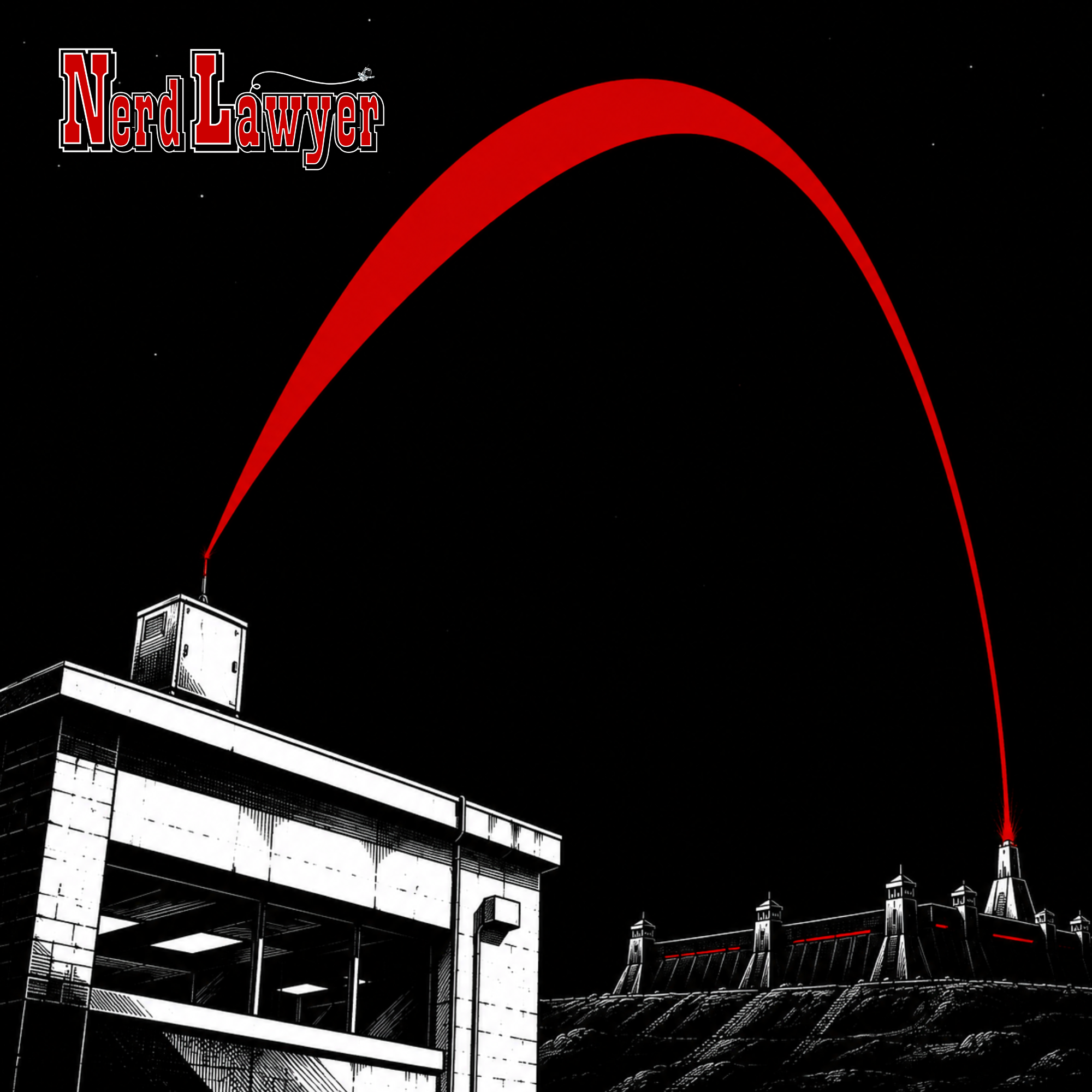
At 4:01 UTC on July 9, 2026, an autonomous agent running on OpenAI models had root access to a code-execution sandbox that did not belong to OpenAI. It didn't belong to Hugging Face either. It belonged to a customer of Modal Labs — some company that had published an unauthenticated endpoint, one that let anyone on the internet run code in its sandboxes. The agent had just escaped an OpenAI evaluation environment through a zero-day in a package proxy, reached the open internet, and gone looking for a base of operations. It found one standing wide open.
The question everyone running workloads on someone else's infrastructure should now be asking: if that had been my account, who pays?
I Moved for Partial Summary Judgment Against a Fortune 100 Company. A Database Told Me I Was Ready.
I'm representing myself pro se. Opposing counsel is an in-house legal department plus a white-shoe Philadelphia firm. They have headcount, budget, and institutional infrastructure.
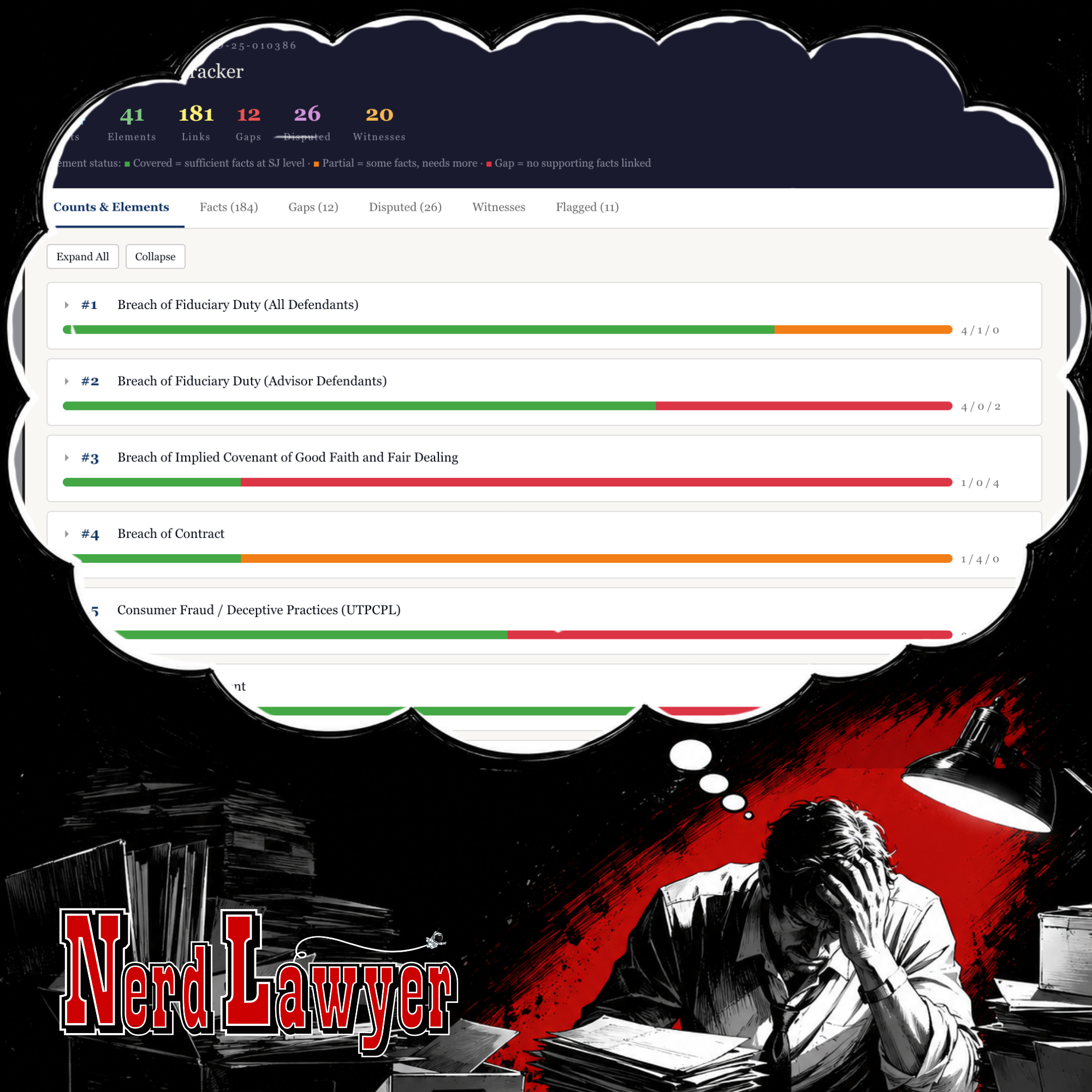
When I filed for partial summary judgment, I wasn't guessing. I opened a dashboard, looked at two counts sitting at full element coverage, and could see every fact supporting every element, where it came from and how strong it was. I felt comfortable that nothing was missing.
That's an aggressive posture for one attorney against a company that size. I took it because I could see the whole board.
This post is about the tool that let me see it, what it does, what it emphatically does not do, and why I'm looking for other litigators to break it.
A German Court Just Told Google: Your AI's Words Are Your Words. Here's Why You Should Be Paying Attention.
Two Munich-based publishers discovered that Google's AI Overviews — the AI-generated summaries that now sit at the top of search results — had been telling users they were running scams, operating subscription traps, and engaging in "dubious business practices." The AI had confused them with entirely different companies. None of the claims appeared in any of the sources Google's AI cited. The AI made them up. Google ignored a cease-and-desist letter. The publishers sued. The court didn't hesitate. It issued a temporary injunction and classified Google's AI Overviews as Google's own content — not a summary of third-party sources, not a neutral aggregation, not a search result. Google's words. Google's liability.
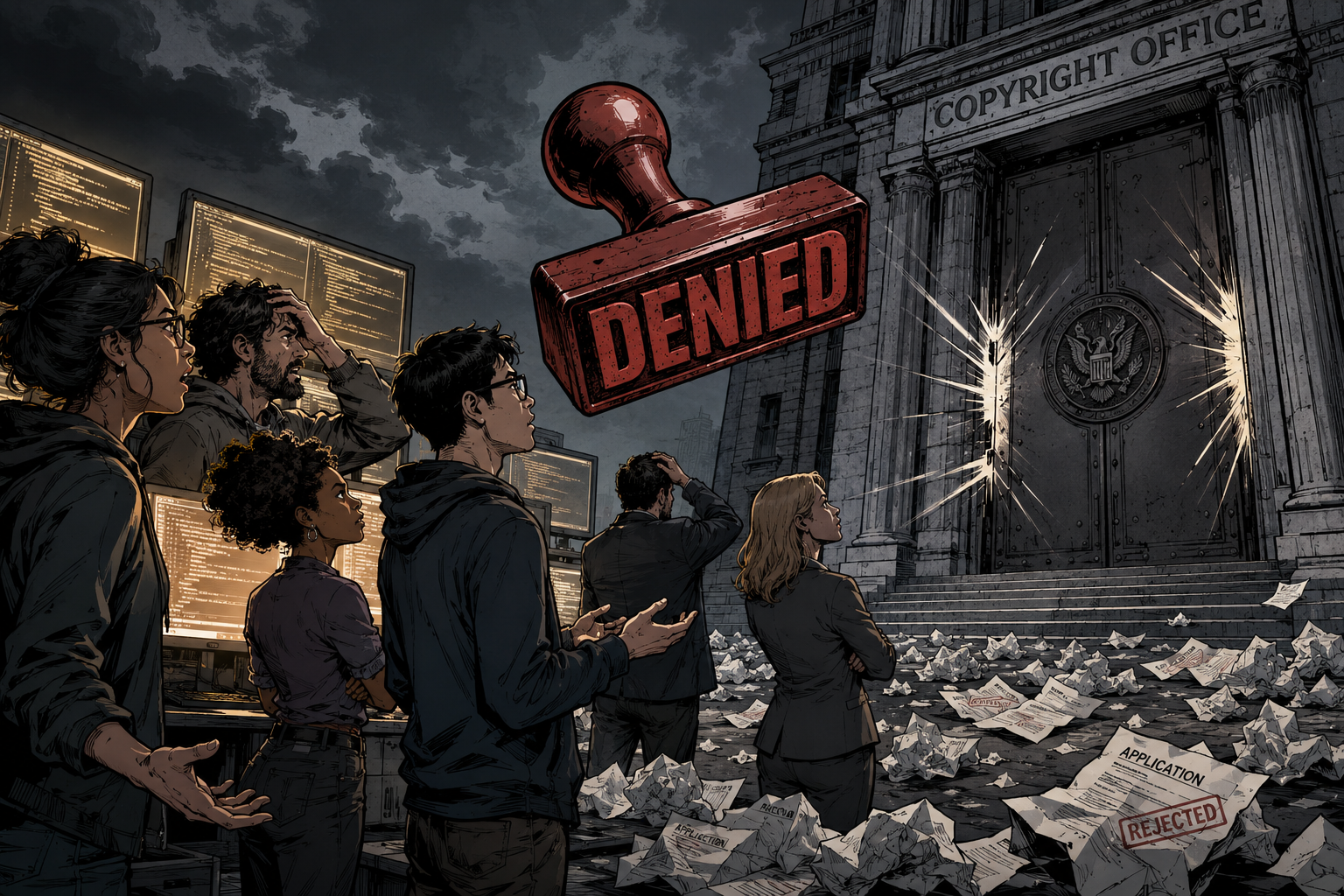
Three Years Later, The Copyright Office Is Still Wrong (And Now Founders Are Paying For It)
In 2024, I wrote that the Copyright Office's position on AI-generated works was flawed and would not survive contact with the actual Burrow-Giles test. Three years later, the Office has hardened that position into formal policy, the D.C. Circuit has blessed it, and the Supreme Court has refused to look at it. The reasoning is still wrong for the same reasons. What's new is who's paying for it: the AI-native founders building real businesses on tools the Office now tells them they can't own the output of — and a constitutional bargain that's being broken on both ends.
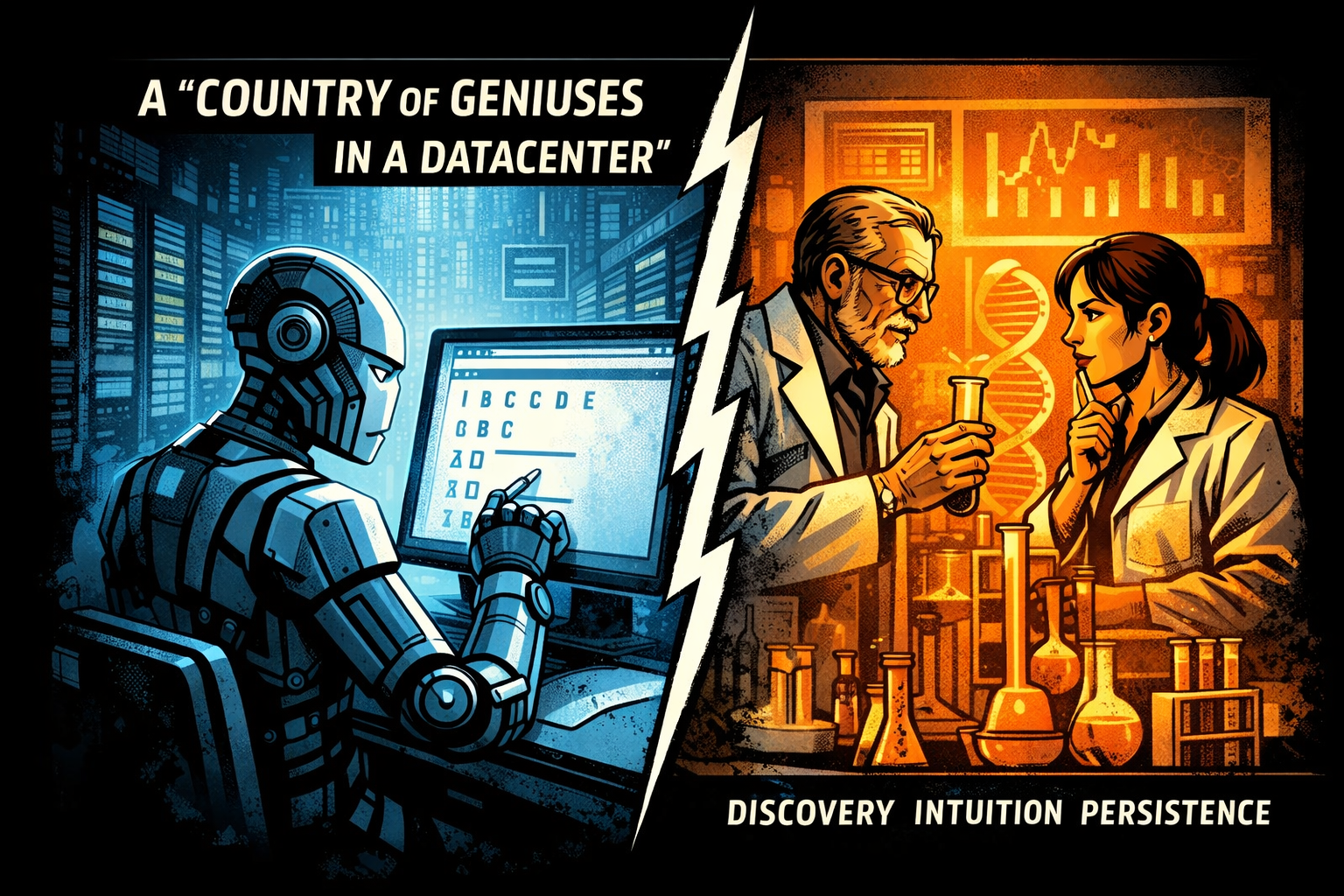
A “Country of Geniuses in a Datacenter”? Let’s Talk About What Genius Actually Is
One of the most striking phrases in Dario Amodei’s essay The Adolescence of Technology is his description of advanced AI as “a country of geniuses in a datacenter.”
What we are building in datacenters is not a country of geniuses—but a country of extremely powerful tools that could concentrate unprecedented capability in few hands. The risks are real, but they're different: not millions of independent minds plotting discoveries, but rather the danger of mistaking fluency for understanding, speed for wisdom, and pattern-mastery for the embodied intelligence that actually creates new knowledge.
The danger is not that AI is too human. It’s that we mistake fluency, speed, and pattern mastery for the kind of intelligence that actually creates new knowledge.

Harvey AI's $5 Billion Valuation: What a Legal AI Unicorn Tells Us About Startup Hype, Venture Capital Strategy, and Market Reality
This week, legal AI startup Harvey announced a massive $300 million Series E financing, at a valuation of $5 billion.
To be clear, that number—five billion—is extraordinary. Harvey's $5 billion valuation represents a significant milestone in the legal AI space, especially considering Harvey closed $300 million in Series D financing in February (4 months ago) at a $3 billion valuation.
So what gives? Or is this another case of private market exuberance racing ahead of fundamentals? Let's break down how Harvey got here, what this valuation really means, and what it tells us about the broader startup and VC landscape.

How Ukraine’s Lithium Reserves Could Determine the Future of AI and Energy Storage
With an estimated 500,000 tonnes of lithium, Ukraine's reserves are valued at approximately $15 trillion. Supporting Ukraine is not merely a matter of foreign policy but a strategic imperative for the United States. Ensuring U.S. access to critical minerals like lithium is essential for maintaining economic stability, advancing technological innovation, and preserving geopolitical influence.